What to do when Hampton Hill flowers arrive wilted
Posted on 10/10/2026
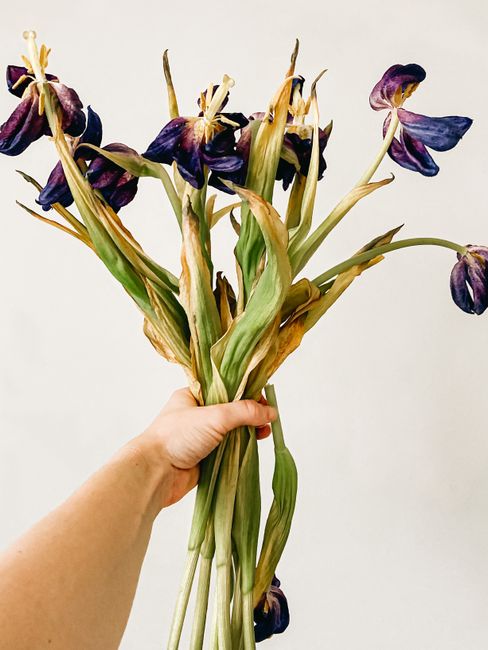
There's nothing quite like the sinking feeling of opening a fresh flower box and finding the stems a bit droopy, the petals tired, or the whole bouquet looking as if it has had a rough journey. If you're wondering what to do when Hampton Hill flowers arrive wilted, the good news is this: in many cases, you can still recover a bouquet, protect your order, and get the flowers looking presentable again.
Wilted flowers do not always mean the arrangement is ruined. Sometimes it's simple transit stress, heat, a delayed handover, or just dehydration after a few hours in a box. In this guide, you'll learn exactly how to respond, what to check first, how to revive the blooms safely, and when to ask for a replacement or refund. Straightforward, practical, and no nonsense.
Why What to do when Hampton Hill flowers arrive wilted Matters
Flowers are delicate, and timing matters. A bouquet can look perfect at dispatch and still arrive flat if it has sat in a warm hallway, been held up in traffic, or spent too long without water. That's especially frustrating if the flowers were meant for a birthday, apology, thank-you, sympathy message, or a simple brighten-the-day moment.
Knowing what to do when flowers arrive wilted helps you respond calmly rather than guessing. Do you hydrate them? Trim the stems? Contact the florist straight away? Put them in the fridge? Not all of those ideas are sensible, to be fair. A good first response can make the difference between a temporary slump and a bouquet that perks up again within a few hours.
It also matters because you want a fair outcome. If the problem is caused by delivery conditions, packaging, or a quality issue, you should know how to document it clearly. That makes it easier to resolve the issue without back-and-forth stress. And let's face it, nobody wants to spend half the afternoon emailing about roses when they should be enjoying them.
For Hampton Hill customers in TW12 and nearby areas, quick action is especially useful because local deliveries often arrive in tight time windows. The sooner you inspect and treat the flowers, the better the chance of recovery.
How What to do when Hampton Hill flowers arrive wilted Works
Wilted flowers usually need two things: water and a little reset. Most bouquets suffer because the stems lose hydration during transport. Once the flowers are unwrapped, the water pathways in the stems can start working again, provided you recut them properly and place them in clean water quickly.
Think of it like this: the bouquet has been travelling in a kind of temporary rest mode. The petals may look soft, the heads may droop, and some leaves may feel limp, but that does not always mean the flowers are dead. Often they're just thirsty. A lot like the rest of us after a Monday morning, really.
Here's the key thing: revive first, assess second. If the flowers were mildly wilted but otherwise fresh, they often bounce back within a few hours. If the blooms are damaged, crushed, brown at the edges, or smell off, the issue may be more serious. In that case, you should document the condition before you attempt anything too dramatic.
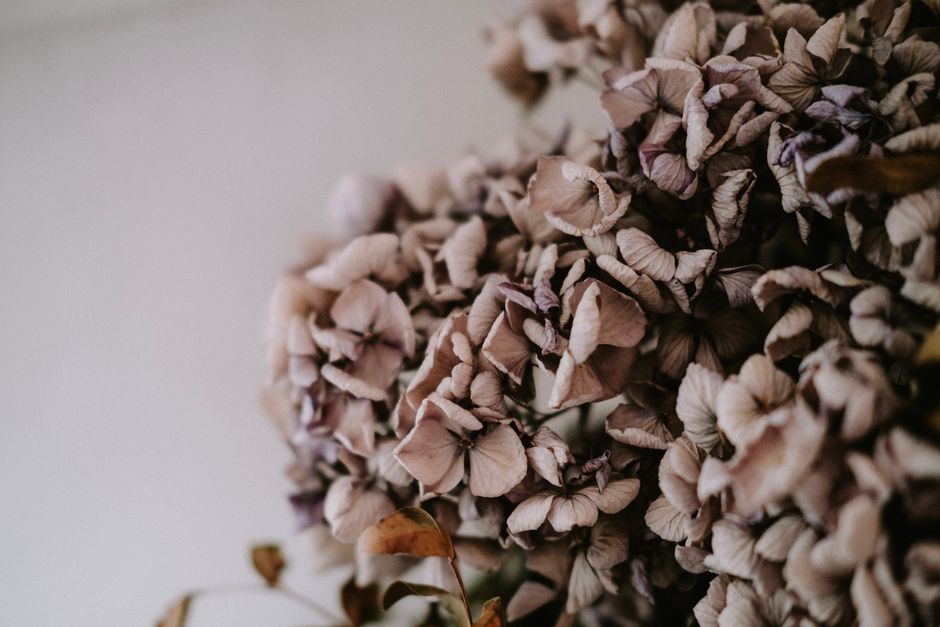
There's also an important distinction between wilted and aged. Wilted usually suggests dehydration or transit stress. Aged flowers may show full petal browning, slimy stems, or collapse that does not improve with water. That difference affects both the treatment and whether a replacement is reasonable.
Key Benefits and Practical Advantages
Handling the issue properly gives you a few very real advantages:
- Better recovery - many arrangements can be revived if treated within the first hour or two.
- Cleaner evidence - photos and notes make it easier to discuss the issue with the florist.
- Less waste - you may save the bouquet instead of throwing it away too quickly.
- Faster resolution - if a replacement is needed, you can explain the problem clearly and avoid delays.
- More confidence next time - once you know the process, flower deliveries feel less risky.
There's also a subtle emotional benefit. Flowers are usually bought for a reason. If the bouquet arrives in poor shape, it can knock the wind out of a moment that was meant to feel thoughtful. Sorting it quickly helps restore that sense of care. That part matters more than people sometimes admit.
Who This Is For and When It Makes Sense
This advice is for anyone receiving a bouquet that looks tired, droopy, or not quite right on arrival. It's especially useful if you ordered through a local florist, arranged a surprise delivery, or received flowers for a time-sensitive occasion where first impressions matter.
It makes sense when:
- the stems feel limp but the petals are still fairly healthy;
- the bouquet has no water source or has been out of water for a while;
- the packaging feels warm, tight, or overly dry;
- the arrangement needs a quick rescue before guests arrive;
- you need to decide whether to keep, replace, or report the order.
It's also relevant for gift recipients who may not know much about flower care. You do not need to be a florist to act well here. A sharp pair of scissors, a clean vase, and a bit of judgement go a long way. Honestly, that's half the battle.
If you regularly send flowers for birthdays, anniversaries, sympathy tributes, or weddings, it helps to understand the basics in advance. That way, if an arrangement arrives looking sad at the edges, you'll know whether it's a normal hydration issue or something that needs escalation.
Step-by-Step Guidance
Below is the most practical way to respond when Hampton Hill flowers arrive wilted. Keep calm, work methodically, and do the obvious things first. It sounds simple because, frankly, it is.
1. Inspect the bouquet before touching too much
Take a quick look at the flowers in the box or wrapping. Check the petals, leaves, stems, and any water source. If there is a visible problem, take clear photos immediately. A few shots from different angles are better than one blurry close-up taken in a rush.
Look for signs such as:
- drooping heads or folded petals;
- brown edges, bruising, or crushed blooms;
- dry stems or a weak cut end;
- leaves that feel papery or limp;
- unusual smell, which can suggest decay.
2. Unwrap the flowers carefully
Remove packaging, cellophane, and ties gently. Some bouquets are arranged tightly for transport, so give the stems space without pulling them apart too aggressively. If the bouquet is tied with ribbon or tape, cut rather than tug. Tugging is where perfectly reasonable people suddenly become flower villains.
3. Recut the stems
Using clean scissors or a sharp knife, trim 1 to 2 centimetres from the bottom of each stem at a slight angle. This fresh cut helps the stems drink more effectively. If the stems are woody or thick, a slightly longer cut may help. Just keep the tool clean so you do not introduce bacteria into the water.
As a practical rule, cut stems under running water if you can. That helps reduce air entering the stem ends. If you cannot do that, work quickly and place them in water straight away.
4. Remove damaged leaves
Any leaves below the waterline should come off. Leaves sitting in water rot quickly and shorten vase life. Also remove leaves that are crushed, slimy, or obviously damaged. Keep the bouquet looking balanced, but do not be sentimental about wilted foliage. It's not helping.
5. Place the flowers in a clean vase with fresh water
Use a properly washed vase and cool or lukewarm water unless the florist's instructions say otherwise. Fresh, clean water is one of the simplest fixes and one of the most overlooked. If you have flower food from the delivery, add it as directed. If you don't, do not guess with kitchen additives unless you are sure what you're doing.
6. Give them a quiet recovery spot
Put the vase somewhere cool, away from direct sun, radiators, fruit bowls, and draughts. Flowers do better in a stable environment. A cool hallway or side table often works well. If the room feels stuffy to you, it's probably not ideal for roses either.
7. Check again after 30 to 60 minutes
Some flowers improve quickly, especially if dehydration is the main issue. Others need a few hours. You may see stems straightening and heads lifting a little. That's a good sign. If things look no better after several hours, you may be dealing with more serious damage.
8. Contact the florist if the condition is poor
If the flowers are badly wilted, crushed, or clearly below a reasonable standard on arrival, contact the florist as soon as possible. Include photos, delivery details, and a short factual description of what you received. Keep the tone polite but clear. You are reporting a problem, not writing a novel.
Expert Tips for Better Results
Once you've covered the basics, a few small details can make a proper difference. In our experience, these are the things that rescue a bouquet from "a bit sad" to "actually lovely" faster than most people expect.
- Use very clean tools. Dirty scissors can shorten vase life, especially with softer stems.
- Change the water promptly. If the bouquet was sitting in a delivery box, the first vase of water may cloud quickly.
- Keep them away from fruit. Ripening fruit releases ethylene, which can age flowers more quickly.
- Don't overcrowd the vase. Stems need space to breathe and drink properly.
- Re-trim after 24 hours if needed. Some stems seal up again and benefit from a fresh cut.
For particularly tired blooms, one small trick is to remove the weakest outer petals or leaves that are dragging down the overall appearance. Not every flower needs to be perfect to make the whole arrangement look good. A bit of judgement goes a long way here.
Another useful detail: if the flowers are in a mixed bouquet, revive the thirstiest varieties first by putting everything in water immediately, then sort the display after they've had a drink. Lilies, roses, alstroemeria, and similar stems often respond differently, so don't treat them all exactly the same.
And if you're preparing flowers for a later event, keep them cool overnight rather than leaving them in a warm room. British homes can swing from chilly to overheated surprisingly fast, especially when the heating is on and someone forgets the window. Happens all the time.
Common Mistakes to Avoid
People often try to fix wilted flowers quickly, which is understandable, but a rushed fix can make things worse. Here are the missteps we see most often.
- Leaving them wrapped for too long. Flowers need airflow and water, not a decorative wait in the box.
- Using a dirty vase. Bacteria is one of the quickest ways to cut vase life short.
- Cutting stems with blunt tools. A crushed stem drinks poorly.
- Adding too much water to flowers that should stay lightly hydrated during transit. This is more of a delivery-stage issue, but it matters if you repackage them.
- Putting flowers in direct sunlight to "warm them up". That usually makes dehydration worse, not better.
- Ignoring the problem for hours. If the flowers are badly wilted, time matters.
A common one is people assuming every droopy bouquet is a lost cause. Not true. Some of the prettiest arrangements we've seen have looked a bit defeated at first, then bounced back after a proper trim and drink. Flowers can be more resilient than they look.
Tools, Resources and Recommendations
You do not need a drawer full of specialist kit. A few basic things are enough to deal with most wilted deliveries.
- Sharp scissors or floristry snips - for a clean cut on the stems.
- A clean vase or container - washed thoroughly, with no soap residue.
- Fresh water - ideally changed regularly.
- Flower food - if supplied with the bouquet, use it as directed.
- Paper towel - handy for dabbing damaged leaves or spills.
- Your phone camera - useful for documenting the bouquet before any major adjustments.
It can also help to know what kind of flowers you have. Some varieties, such as roses and lilies, may need slightly different handling from more delicate mixed stems. If the arrangement came from a florist's own care guidance, follow that first. Where care advice is available, it's usually there for a reason.
If you are looking for a helpful general care page, the site's flower care guidance is a sensible place to start. And if you want a broader sense of delivery expectations, the delivery information can also be useful.
Law, Compliance, Standards, or Best Practice
Flower delivery disputes are usually handled through the seller's own terms, refund policy, and general consumer expectations rather than anything exotic or complicated. In the UK, the sensible approach is to act quickly, keep evidence, and communicate clearly. That's the practical version, anyway.
From a best-practice point of view, if flowers arrive damaged or significantly below the standard you reasonably expected, you should:
- report the issue promptly;
- keep the original packaging where possible;
- take dated photos;
- avoid altering the bouquet too much before documenting it;
- check the retailer's terms and returns policy.
It's also smart to be realistic about timing. Flowers are perishable goods, so reporting a serious issue the same day is much more persuasive than waiting several days and hoping the matter sorts itself out. Truth be told, once a bouquet has had a long time in a warm room, it becomes harder to separate delivery issues from normal ageing.
If you're dealing with an order placed for a special event, keep the order confirmation and any delivery updates to hand. If you need to review the retailer's policy, the site's returns and refund information, terms and conditions, and guarantees pages may be relevant. Those pages set expectations, which is helpful for everyone involved.
Options, Methods, or Comparison Table
If your Hampton Hill flowers arrive wilted, you usually have three practical options: revive them, request a resolution, or do both at the same time. Here's a simple comparison.
| Option | Best for | What you do | Likely outcome |
|---|---|---|---|
| Revive at home | Mild droop, thirsty stems, otherwise fresh flowers | Trim stems, remove leaves, add clean water, keep cool | Often improves within a few hours |
| Report and request help | Severe wilt, crushed blooms, poor condition on arrival | Take photos, contact the florist promptly, explain clearly | May lead to replacement, partial refund, or other resolution |
| Revive and report | Unclear cases where you want both protection and recovery | Document first, then hydrate and assess | Gives you the best balance of evidence and immediate care |
In practice, the third option is often the safest. You preserve your evidence, you give the flowers a fair chance, and you avoid overreacting too early. That tends to work best for everyone, not just the recipient.
Case Study or Real-World Example
A typical example: a customer receives a mixed bouquet in the late afternoon after it has spent longer than planned in transit. The roses are slightly bowed, a few petals are soft at the edges, and the leaves look tired. Nothing is completely collapsed, but the arrangement clearly needs attention.
The recipient takes a few photos before unwrapping anything, then trims the stems and places the bouquet into a clean vase with fresh water. The flowers are left in a cool room away from the radiator. By the following morning, the roses have lifted, the alstroemeria looks healthier, and the arrangement is usable for the dinner table after all.
Now, if the bouquet had shown brown mushy stems, crushed heads, or a strong unpleasant smell, that would be different. In that version of the story, the right response would be to document the condition and contact the florist quickly. Same delivery, different outcome. It really does come down to what the bouquet looks like in those first few minutes.
That's why a calm first check matters. Not everything sad-looking is doomed, but not everything can be rescued either. Flowers are honest that way.
Practical Checklist
Use this checklist the moment your flowers arrive looking wilted.
- Take photos of the bouquet before making changes.
- Check whether the flowers are mildly wilted or badly damaged.
- Remove packaging carefully.
- Trim 1 to 2 cm from each stem at an angle.
- Remove leaves below the waterline.
- Place stems into a clean vase with fresh water.
- Add flower food if provided.
- Keep the arrangement cool and out of direct sunlight.
- Recheck after 30 to 60 minutes, then again later in the day.
- Contact the florist promptly if the bouquet still looks poor.
Quick expert summary: document first, hydrate second, and judge fairly after a few hours. If the flowers improve, great. If they do not, you've still protected your position and handled the situation properly.
Get a free quote today and see how much you can save.
If you want to avoid future disappointment, it also helps to choose a florist with clear delivery standards and straightforward care guidance. For general browsing, you can explore the Hampton Hill florist service, or look at the best flower delivery options and same-day flower delivery if speed matters. Sometimes the right choice is simply the one that gets flowers into water quickly and safely.
Conclusion
If Hampton Hill flowers arrive wilted, don't panic. Most of the time, the right response is simple: inspect, document, trim, hydrate, and wait a little before making a final call. A lot of bouquets improve once they get a fresh cut and clean water. Others need customer support because the issue is bigger than dehydration. The important thing is to act quickly and calmly.
That approach protects the flowers, protects your order, and gives you the best chance of a good outcome. And if the bouquet was meant for a special person, it helps you turn a frustrating moment into a manageable one. Not perfect. But manageable, and that counts.
With a little care, even a tired-looking arrangement can still bring the right feeling into the room. Sometimes that's enough. Sometimes it's more than enough.
Frequently Asked Questions
How do I revive wilted flowers as soon as they arrive?
Unwrap them carefully, cut 1 to 2 centimetres from the stems, remove any leaves below the waterline, and place them straight into a clean vase with fresh water. Keep them somewhere cool and check again after a short while.
Should I contact the florist before trying to fix the flowers?
Usually it makes sense to take photos first, then revive the bouquet, and contact the florist if the condition looks poor. That way you keep evidence and still give the flowers a fair chance to recover.
How long should I wait before deciding the flowers are not recoverable?
Give mildly wilted flowers a few hours after trimming and rehydrating. If they stay limp, smell bad, or show serious browning and stem damage, they may be beyond saving. Severe cases should be reported promptly.
Is it normal for flowers to look tired after delivery?
A slight droop can happen, especially after transport. A bouquet should still look fresh overall, though. If it arrives clearly wilted or damaged, that is not something you should just shrug off.
Can I put wilted flowers in warm water?
Some flowers respond well to lukewarm water, but it depends on the variety and the florist's instructions. If no guidance is provided, fresh clean water at a moderate temperature is usually the safest approach.
What photos should I take if I need to complain?
Take clear images of the entire bouquet, the packaging, the stems, and any visible damage. Include the delivery label or order details if possible. A few well-lit photos are much more useful than a dozen unclear ones.
What if the flowers improve after I hydrate them?
If they recover, that's a good result. You may not need further action unless there was obvious damage on arrival. If you still think the standard was poor, keep your photos and review the florist's policy.
Should I keep the packaging?
Yes, at least until you know whether there is a problem. Packaging can help show how the flowers were delivered and may be useful if you need to raise a complaint.
Are some flowers more likely to wilt in transit than others?
Yes. Delicate varieties and tightly packed mixed bouquets can be more sensitive to heat, pressure, or lack of water. Some stems are naturally more resilient, while others need faster attention. It's a bit of a mixed bag.
What's the best room for recovering wilted flowers?
A cool room away from direct sunlight, heaters, and fruit bowls is usually best. A stable indoor temperature helps the flowers drink and settle after delivery.
Can I ask for a refund if the bouquet arrives wilted?
If the flowers are significantly below a reasonable standard on arrival, you may be able to request a replacement or refund depending on the seller's terms. Check the florist's policy and contact them quickly with photos and order details.
What is the most common mistake people make with wilted flowers?
Waiting too long to act. The second most common mistake is putting the bouquet into a dirty vase. Both are fixable, which is the good news, but speed really does matter with fresh flowers.