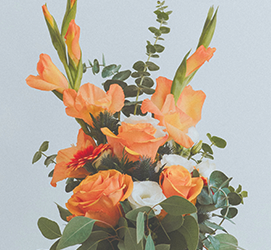
Event floral packages for Hampton Hill Theatre venues
Posted on 24/09/2026
If you are planning a show night, private hire, awards evening, fundraiser, or community performance, flowers can do a lot of heavy lifting. They soften the room, frame the stage, and make a venue feel considered from the moment guests walk in. That is exactly why Event floral packages for Hampton Hill Theatre venues are worth thinking about early, not as an afterthought when someone suddenly remembers the entrance looks a bit bare.
In a theatre setting, florals have to do more than look pretty. They need to suit the space, work around lighting and foot traffic, arrive on time, and survive the practical realities of a busy venue. This guide walks through how event floral packages work, what they usually include, how to choose the right style, and the details people often miss until the day before. Truth be told, the planning is easier when you know what actually matters.
Whether you are organising a one-off performance, a corporate evening, or a series of events at a Hampton Hill venue, you will find practical advice here on budget, timing, installation, compliance, and the choices that make flowers feel polished instead of fussy.
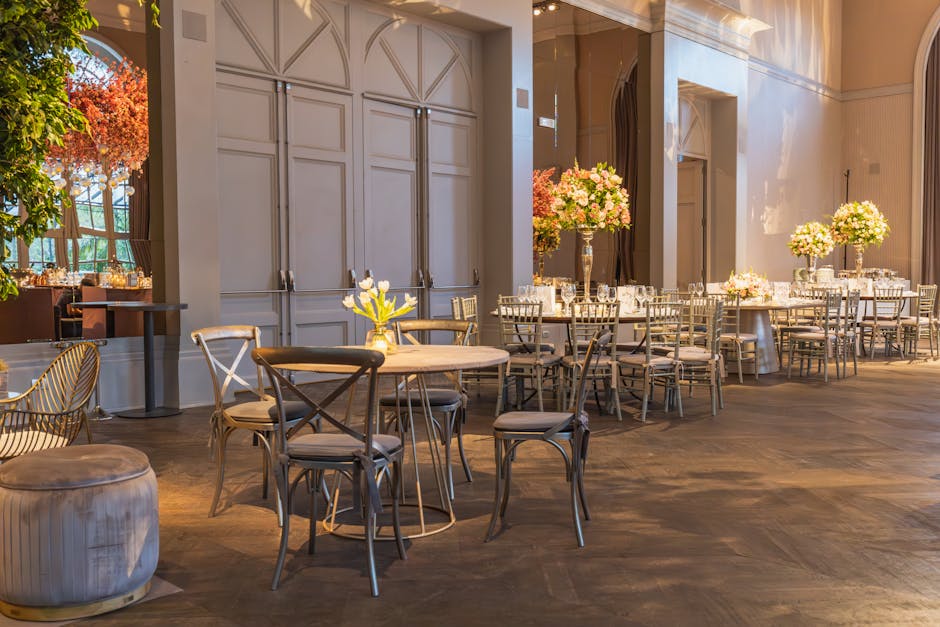
Table of Contents
- Why event floral packages matter
- How event floral packages work
- Key benefits and practical advantages
- Who this is for and when it makes sense
- Step-by-step guidance
- Expert tips for better results
- Common mistakes to avoid
- Tools, resources and recommendations
- Law, compliance, standards, or best practice
- Options, methods, or comparison table
- Case study or real-world example
- Practical checklist
- Conclusion
- Frequently asked questions
Why Event floral packages for Hampton Hill Theatre venues Matters
Theatre venues are different from ordinary event spaces. They have sightlines to protect, lighting that changes mood quickly, and often a tight window for bump-in and bump-out. Flowers need to fit into that rhythm. A well-planned floral package does more than bring colour; it helps the whole event feel intentional.
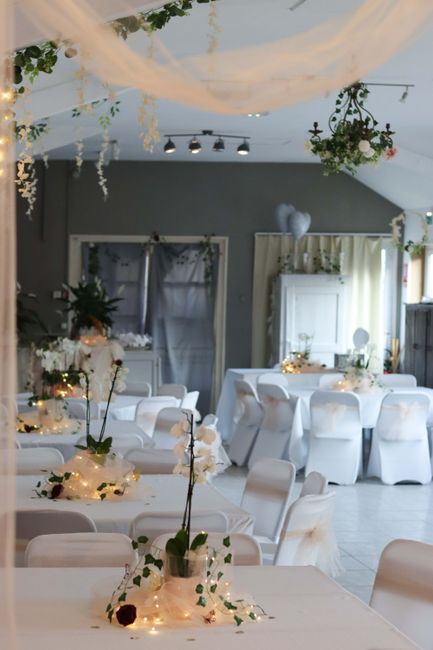
In Hampton Hill, where venues may host everything from intimate performances to community galas and seasonal concerts, floral design also has to feel adaptable. One evening might call for subtle white and green arrangements near the stage. Another might need bolder colours that read well under warm lights and look good in photographs. You do not want a display that disappears under the stage wash, and you definitely do not want an arrangement blocking a speaker line or a guest's view. It sounds obvious, but these things happen.
There is also the atmosphere to consider. Guests notice flowers the moment they arrive, even if only subconsciously. A neat entrance arrangement or a few carefully placed pedestal displays can make a theatre foyer feel welcoming rather than functional. Small touch, big difference. That is the appeal of a proper floral package: the design is coordinated, delivered together, and set up to support the venue rather than compete with it.
For organisers, packages also reduce decision fatigue. Instead of choosing stems, vases, and placements one by one, you choose a style and a purpose. That matters when you are juggling seating plans, programme printing, and the endless little jobs that seem to multiply the week of the event.
Expert summary: In theatre venues, the best floral packages are not the largest ones. They are the ones that respect the space, photograph well, and arrive ready to work in real conditions: limited time, mixed lighting, and a live audience moving through the room.
How Event floral packages for Hampton Hill Theatre venues Works
Most event floral packages are built around three things: the venue, the event purpose, and the placement plan. You start with the layout. A theatre usually has a foyer, box office or welcome point, stage area, audience seating, perhaps a bar or reception corner, and sometimes a backstage or green room space that needs a lighter touch.
From there, the florist will usually suggest a package structure. That could mean:
- entrance arrangements for first impressions
- stage-side arrangements that frame the action without stealing focus
- table centres for receptions or private dining areas
- pulpit or podium arrangements for speeches
- small ancillary pieces for VIP areas, dressing rooms, or sponsor tables
The next step is style. For theatre events, floral design often leans toward clean shapes, controlled height, and strong seasonal colour stories. Sometimes a low arrangement works best because it keeps eye-lines clear. Sometimes a taller display is fine in the foyer where space is more open. The venue's practical reality matters more than the bouquet trend of the month.
Delivery and installation are part of the package in many cases. That means the flowers are prepared off-site, transported carefully, and positioned before guests arrive. For theatre timings, this is a real advantage because you usually have a short setup window. A good florist will know how to work around access points, lift availability, loading restrictions, and the simple fact that a venue may already be busy with technical crew. If you've ever seen three people trying to reverse a trolley through a narrow side corridor at 4:45 pm, you know the mood.
Depending on the provider, packages may also include vase hire, reusable containers, flower conditioning, and collection after the event. Some venues prefer recyclable or returnable materials, particularly for larger events. Others want arrangements that can be relocated after the performance to a reception area or gifted to the cast. Those practical choices are worth sorting out before the flowers are made, not after.
If you are working with a florist local to the area, you may also get a more flexible delivery window and better knowledge of the venue's access rhythms. That can be a quiet but real advantage.
Key Benefits and Practical Advantages
There is a reason experienced organisers use floral packages rather than piecing everything together at the last minute. The benefits are both visual and logistical.
- Consistent styling: every arrangement feels like part of one design story, which is especially useful in theatre spaces where the audience sees multiple areas in one visit.
- Better time management: you avoid separate sourcing, separate deliveries, and separate setup headaches.
- Improved venue presentation: flowers can transform foyers, bars, and stage entrances with relatively little footprint.
- Reduced risk of mismatch: package planning helps avoid clashing colours, awkward vase sizes, or overblown arrangements.
- Photogenic finish: the right florals make press shots and guest photos look more polished, which matters more than people admit.
- Practical support: a package can be tailored around access constraints, tight changeovers, and venue policies.
There is also a commercial side. For corporate hosts, sponsors, and charities, a cohesive floral setup signals care and competence. For performance organisers, it helps create a sense of occasion without distracting from the show itself. That balance is important. You want atmosphere, not a floral circus.
And then there is flexibility. Packages can often be scaled up or down. A small foyer-only package may be enough for an intimate recital, while a larger event could combine entrance pieces, centrepieces, and stage arrangements. It depends on the event outcome you want, not just on the size of the budget.
Who This Is For and When It Makes Sense
These packages are a good fit for a wide range of organisers. In practice, they are most useful for people who need flowers to do a job as part of a live event, not just sit there looking nice.
- Theatre producers and event managers who need a reliable, stage-appropriate floral solution.
- Corporate hosts running launches, awards evenings, networking receptions, or staff celebrations.
- Charity organisers planning fundraising galas, community shows, or patron events.
- Private clients celebrating milestone birthdays, anniversaries, or engagement parties in a theatre venue.
- Wedding planners using a theatre venue for an unusual, elegant, or intimate ceremony and reception.
It makes sense whenever flowers need to arrive on time, look cohesive, and stay manageable through the event flow. If your venue has a public-facing entrance and a busy schedule, a floral package is often simpler than hiring different suppliers for different areas.
It also makes sense when you want a particular tone. Hampton Hill theatre spaces can feel warm, traditional, intimate, or modern depending on the production and the layout. Florals help tune that atmosphere. A white and green palette feels calm and classic. Jewel tones feel richer and more dramatic. Soft pastels can work beautifully for daytime events, especially if the room has plenty of natural light. You can almost feel the room settle when the palette is right.
If you are unsure whether you need a package at all, ask yourself one simple question: will the flowers need to support more than one part of the event? If the answer is yes, a package usually saves time and creates a better result.
Step-by-Step Guidance
If you want the flowers to fit the event rather than fight it, a simple planning process helps a lot. Here is the route most organisers should follow.
- Start with the venue layout. Walk the space, or ask for a floor plan if you cannot attend in person. Note entrances, stage access, table areas, and any narrow routes.
- Define the job of the flowers. Are they for arrival impact, stage framing, guest tables, photography, or all of the above?
- Set your style direction. Decide whether you want modern and minimal, full and romantic, seasonal and natural, or formal and polished.
- Confirm practical limits. Ask about access times, setup windows, where vehicles can stop, and whether the venue has restrictions on tall arrangements, candles, water, or floor-standing pieces.
- Choose package components. Match the arrangements to the spaces that matter most, rather than trying to cover every corner.
- Review flower choice by season. Seasonal flowers are usually fresher, more cost-efficient, and less risky for last-minute substitutions.
- Plan collection or repurposing. Decide whether arrangements stay in place, move to a reception, or go home with hosts, cast, or guests.
- Agree the final schedule. Delivery timing should work around rehearsals, technical checks, and guest arrival. No one wants florists arriving while someone is mid-soundcheck.
A small but useful habit: ask for a written summary of what is included, where each arrangement will go, and who is responsible for setup and collection. It keeps everyone honest and avoids that awkward "I thought that was included" moment. We have all seen that moment. Nobody enjoys it.
Expert Tips for Better Results
There are a few details that separate a decent floral package from one that really works in a theatre venue.
1. Design for the camera, not just the room
Even small events get photographed, and stage lighting can flatten colour in odd ways. Strong contrast, good texture, and clean silhouettes tend to look better than vague mixed arrangements. If the event will be filmed, ask how the flowers will read on screen as well as in person.
2. Keep sightlines clean
Theatre audiences can be unforgiving if their view is blocked, even slightly. Low designs are often best near seating or on stage edges. Taller pieces are safer in wider foyers or open reception areas. Simple rule, really: if people have to crane around the flowers, the flowers are too tall.
3. Use flowers that suit the pace of the event
Some blooms hold up better under warm indoor conditions and longer events. Roses, lilies, chrysanthemums, germini, carnations, and alstroemeria are all commonly used in event work because they can be sturdy and adaptable. The right choice still depends on style, scent, and budget.
4. Think in zones
Theatre venues work well when florals are grouped by function. For example, the entrance can have one stronger arrangement, the foyer can have a pair of balanced pieces, and the stage can stay more restrained. That keeps the room feeling curated rather than cluttered.
5. Keep scent in mind
Heavy fragrance can be lovely in a small room, but it may not suit every audience. For some events, lightly scented or unscented flowers are a safer choice, especially around performance spaces where strong fragrance may distract.
And one more thing: if your venue is receiving guests over a long period, a little extra water support or well-prepared conditioning can help arrangements stay crisp. Not glamorous, perhaps, but absolutely worth it.
Common Mistakes to Avoid
It is easy to get caught up in the look of flowers and miss the practical stuff. These are the mistakes that tend to cause trouble later.
- Choosing arrangements before checking the venue rules. Some spaces have restrictions on floor items, open flame, or access routes.
- Ignoring the stage lighting. What looks soft and elegant in daylight may vanish under strong warm lights.
- Overpacking the space. More flowers are not always better. Too much can make a theatre feel cramped.
- Forgetting setup and collection timing. In a live venue, timing is half the job.
- Picking the wrong scent level. Strong fragrance can be distracting, especially in enclosed areas.
- Not planning for substitutions. Seasonal availability changes, and a good package should allow for sensible alternatives.
- Skipping a clear installation brief. If the florist does not know the exact placement, something will probably need moving later.
One more thing people overlook: transport. Delicate flowers can suffer during a bumpy journey, especially if they are in tall vessels. If a supplier is coming from outside the area, ask how the arrangements are protected in transit. It is not a fussy question. It is a practical one.
Tools, Resources and Recommendations
You do not need fancy software to organise theatre flowers, but a few simple tools make life easier.
- A venue floor plan: ideal for marking entrance points, table positions, and stage zones.
- A clear event timeline: include access, rehearsal, soundcheck, guest arrival, speeches, and collection.
- A style mood board: even a handful of reference images can help align colour and shape expectations.
- A budget split: divide spend into must-have areas, nice-to-have extras, and contingency.
- A final sign-off checklist: one person should approve the flowers, not five people with slightly different ideas at 8:40 pm.
For readers exploring broader flower choices, it can help to browse a few relevant categories before making decisions. For example, if you want something elegant and venue-friendly, the luxury flowers selection is useful for understanding the higher-end look and finish available. If the event is tied to a wedding-style celebration in a theatre venue, the weddings range can help you see how coordinated floral styling is usually built. And for organisers who need a dependable local supplier, the local florist in Hampton Hill TW12 is the most direct place to start.
If delivery timing is tight, you may also want to review the delivery information before confirming your event plan. That kind of detail sounds dull right up until the day the van needs to get in, and suddenly it is the most interesting page on the site.
Law, Compliance, Standards, or Best Practice
For most floral event planning, the main compliance issues are practical rather than complex. Venue rules, fire safety, access restrictions, and health and safety are the areas to watch. Different theatres may have their own policies on trip hazards, floor-standing items, liquids, protected walkways, and unloading times, so it is sensible to check them early.
If your event involves contractors on-site, clear communication matters. Make sure the florist knows where they can park or unload, which entrances they should use, and whether they need to work around other suppliers. In a live venue, coordination is a quiet form of safety. Not glamorous, but it keeps everything moving.
Some broader best-practice points are worth following even when they are not written into a formal policy:
- keep walkways clear of loose materials and packaging
- use stable containers for tall arrangements
- avoid dripping water near cables, audio gear, or performance areas
- confirm where flowers should be placed after the event if they are not being collected immediately
- make sure the design does not obstruct emergency exits or venue signage
There is also a sustainability angle. Many clients now prefer thoughtful sourcing, reusable vessels, and less wasteful installations. If that matters to you, ask how flowers are conditioned, transported, and repurposed after the event. A responsible floral package should feel beautiful and sensible at the same time.
Options, Methods, or Comparison Table
Different event types call for different floral approaches. The table below gives a straightforward comparison of common package styles for theatre venues.
| Package style | Best for | Typical strengths | Things to watch |
|---|---|---|---|
| Entrance-focused package | Small to medium events, arrivals, receptions | Strong first impression, simple setup, easy to scale | May not cover the rest of the venue |
| Stage and foyer package | Performances, launches, award nights | Creates visual continuity, good for photographs | Needs careful height planning |
| Table centrepiece package | Dinners, private functions, sponsor events | Elegant and flexible, works well for intimate settings | Can feel repetitive if every table is identical |
| Full venue styling package | Higher-budget events, galas, premium launches | Most cohesive, strongest impact, easiest to brief as a whole | More coordination required, higher cost |
For many Hampton Hill theatre events, the sweet spot is a hybrid approach: a strong entrance piece, a modest stage arrangement, and a few matching accents in reception areas. That gives you a proper sense of occasion without overdoing it. Which, let's face it, is the trick in a lot of theatre styling decisions.
Case Study or Real-World Example
Here is a realistic example based on the sort of event floral planning that often works well in a theatre venue.
A local organiser is planning a fundraising evening at a Hampton Hill theatre with a short guest reception before the main programme. The room is elegant but compact. There is one central entrance, a foyer with limited floor space, and a stage that needs to stay open for speakers and performers.
Instead of ordering large display pieces everywhere, the organiser chooses a focused package:
- one statement arrangement at the entrance
- two lower foyer pieces near the welcome desk and sponsor board
- a modest stage-side arrangement that frames the lectern without blocking anyone
- matching flowers in white, soft green, and a touch of blush to fit the event tone
The result is subtle but effective. Guests arrive to a polished entrance, photos look coordinated, and the stage remains practical. The room still feels like a theatre, not a wedding showroom. That balance matters. There is a quiet confidence to a design that knows when to stop.
What made this work was not just the flowers themselves. It was the planning: checking access times, keeping the arrangements low where people needed to see, and choosing flowers that would hold up through the evening. The event felt calm. No scrambling, no last-minute table reshuffling, no one asking where the spare bucket was. A small victory, but a real one.
Practical Checklist
Use this checklist before you confirm your theatre floral package.
- Have you confirmed the venue layout and access points?
- Do you know exactly where each arrangement will go?
- Have you checked for height, safety, or venue restrictions?
- Does the colour palette suit the event style and lighting?
- Are the flowers suitable for the event length and indoor conditions?
- Have setup and collection times been agreed in writing?
- Do you need vase hire, reusable containers, or installation support?
- Will the flowers be photographed or filmed?
- Have you planned for substitutions if certain stems are unavailable?
- Do you know who signs off the final design?
- Is there a plan for repurposing, gifting, or collection after the event?
- Have you checked delivery details and venue contact information?
Keep this list nearby while you are planning. It saves arguments later, and honestly, it saves time.
Conclusion
Event floral packages for Hampton Hill Theatre venues work best when they support the event rather than dominate it. The right package considers sightlines, lighting, access, timing, and the mood you want guests to feel the second they step inside. That is the real value: flowers that look beautiful, yes, but also make the event easier to run and more memorable to attend.
If you are comparing options, think in terms of function first and style second. What part of the venue needs attention? How long will the flowers need to last? Where will guests be looking? Once those answers are clear, the design choices become much easier.
Get a free quote today and see how much you can save.
And if you are still deciding, that is fine. A good floral plan should feel reassuring, not rushed. The right arrangement often becomes the quiet detail people remember after the lights go down.
Frequently Asked Questions
What are event floral packages for Hampton Hill Theatre venues?
They are pre-planned flower arrangements designed for theatre-based events such as performances, receptions, launches, award nights, and private celebrations. The package usually includes selected arrangements, delivery, and sometimes setup or collection.
Why are theatre venues different from other event spaces?
Theatre venues have tighter sightline concerns, changing lighting, live performance schedules, and often more complicated access. Flowers need to fit around those practical realities, which is why venue-specific planning matters.
How far in advance should I book floral arrangements for a theatre event?
As early as you can, especially for larger events or busy seasonal periods. That gives time to confirm the venue layout, check access, and make any design adjustments without pressure.
Can floral packages be customised for a specific event theme?
Yes. Most packages can be adapted in colour, size, flower choice, and presentation style. It helps to share your theme, dress code, brand colours, or event tone from the start.
What flowers work best in indoor theatre venues?
Sturdy flowers that handle indoor conditions well are often a good choice. Roses, lilies, chrysanthemums, carnations, alstroemeria, and germini are commonly used, but the best option depends on the look you want and the event duration.
Do I need stage flowers as well as foyer flowers?
Not always, but they often work well together. If the event includes speeches, performances, or photo moments, stage-side florals can help frame the space without overwhelming it.
How do I avoid blocking views with floral arrangements?
Choose lower designs near seating and stage areas, and place taller arrangements in open spaces such as foyers or entrances. A venue plan or site walk-through makes this much easier.
Are floral packages suitable for small theatre events?
Absolutely. Even a small package can make a venue feel polished and welcoming. In smaller spaces, a few well-placed arrangements are often more effective than lots of flowers everywhere.
Can flowers be reused after the event?
Often, yes. Arrangements may be moved to a reception, gifted to guests or performers, or collected for home use. It is best to decide that before the event so the florist can plan accordingly.
What should I ask before confirming a floral package?
Ask what is included, how delivery and setup work, whether containers are hired or purchased, what happens after the event, and whether substitutions may be made if a specific flower is unavailable.
Is sustainability important for event florals?
It can be. Many organisers now prefer reusable vessels, sensible sourcing, and less waste. If that matters to you, ask how the flowers will be prepared, transported, and repurposed.
How do I choose between a simple package and a full venue floral design?
Base the decision on how many areas need attention and how much visual impact you want. If only the entrance needs dressing, a small package may be enough. If the venue has multiple guest-facing areas, a fuller package is usually more coherent.